Loading
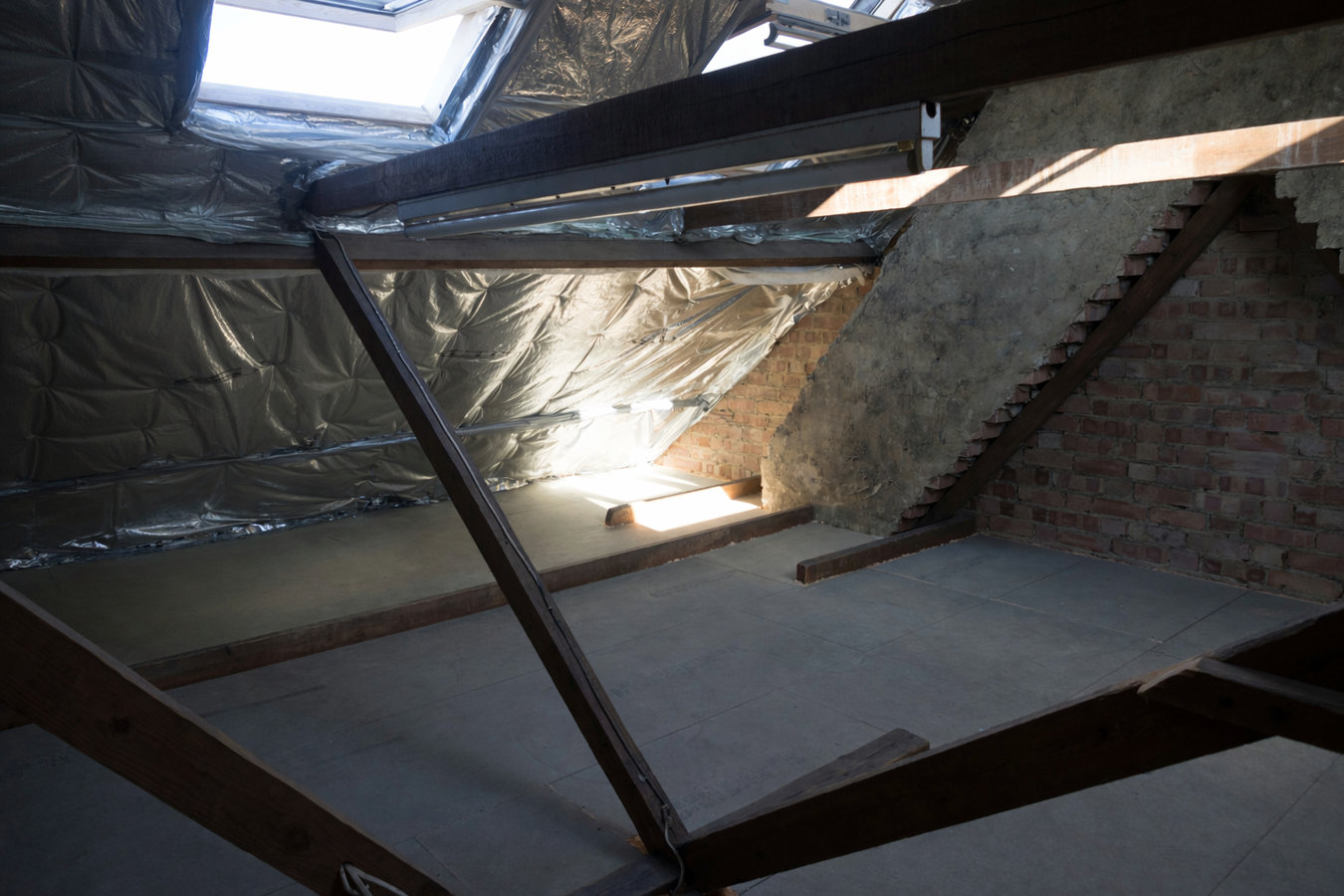
When your attic is under-insulated, 140-degree summer heat pushes straight into your living space. Properly installed attic insulation stops that heat at the source so your AC can finally keep up without running nonstop.
Attic insulation in Tallahassee acts as a thermal barrier between your living space and the extreme heat that builds up overhead - most installations are completed in a single day, with blown-in material covering the attic floor or roof deck to block heat from pushing down into conditioned rooms.
A significant share of Tallahassee homes were built in the 1960s through 1980s, well before Florida adopted its current energy efficiency requirements. If you have never had an insulation upgrade and your home is more than 25 years old, the odds are good that what is in your attic has settled, degraded, or simply never met the levels now recommended for North Florida. You can check yourself: look into the attic with a flashlight and see if the wood framing is visible above the insulation. If it is, you are below the level this climate requires.
A quality attic insulation job always starts with attic air sealing - closing gaps around light fixtures, plumbing penetrations, and the tops of interior walls before any new material goes in. Skipping that step is the most common shortcut in the trade.
If your AC runs for long stretches but rooms still feel warm and stuffy, especially upstairs or in rooms directly below the attic, heat is pushing through from above. In Tallahassee's climate, this is one of the most common reasons a home feels impossible to keep comfortable from June through September.
Cooling costs will always be higher here than in milder climates, but if your bills seem unusually high compared to neighbors with similar-sized homes, or have crept up year after year, poor attic insulation is a likely contributor. Your AC is working overtime to compensate for heat pouring in from above.
If you look into your attic and can clearly see the tops of the wooden beams above the insulation level, you are well below what this climate requires. Properly insulated attics in Tallahassee should have insulation that covers those beams completely. This is something you can check with a flashlight in two minutes.
A distinct warmth near the ceiling of upper-floor rooms, or general stuffiness that fans cannot fix, is a classic sign the attic is not doing its job. This temperature difference between ceiling and floor is especially noticeable in Tallahassee homes during the long stretch from May through October.
We install blown-in and batt insulation in attics throughout the Tallahassee metro. Blown-in is especially effective in Florida because it covers irregular spaces and settles tightly around obstacles like pipes and wiring. Batts work well in attics with consistent framing and easy access.
Many homeowners find that the best results come from combining attic insulation with blown-in insulation layered on top of existing material, and pairing that with proper attic air sealing to close gaps that insulation alone cannot address. We assess what is already in place before recommending any approach.
Federal tax credits are currently available for homeowners who upgrade attic insulation as part of an energy efficiency improvement. Ask about current incentives before your project starts so you do not miss savings you are entitled to.
Best for covering irregular spaces, topping off existing insulation, and achieving even coverage across the attic floor.
Best for attics with consistent framing and clear access where precise placement is straightforward.
Closing gaps around penetrations before adding insulation - the step that makes everything else perform better.
When old insulation is wet, moldy, or pest-damaged, removal is the right call before anything new goes in.
Tallahassee sits in a humid subtropical climate zone where summer temperatures regularly climb into the low-to-mid 90s and the air stays thick with moisture for months. That combination means your attic can reach temperatures well above 140 degrees on a summer afternoon, pushing heat aggressively into your living space.
Tallahassee's humidity adds a second concern: when warm, humid air from inside the home migrates into a poorly sealed attic, it can condense and create conditions for mold or wood rot over time. A properly installed job here always includes attention to air sealing and moisture management, not just adding more material. The ENERGY STAR federal tax credit program recognizes attic insulation upgrades as a qualifying improvement.
We work throughout the Tallahassee metro and surrounding region, including homeowners in Thomasville, GA, Statesboro, GA, and Ocala, FL. Florida's building code requires permits for insulation work beyond a certain scope, and we handle that process for every project that needs one.
We respond within 1 business day. We will ask about your home's age, whether you have noticed any comfort or energy bill issues, and whether any insulation work has been done before.
A technician visits, goes up into the attic, measures what is already there, and checks for moisture or pest issues. This takes 30 to 45 minutes and requires no preparation from you.
You receive a written quote breaking down scope, materials, and total cost. If a permit is required through Tallahassee's Growth Management Department, we handle the filing and note it in the quote.
The crew lays protective coverings, air seals penetrations first, then blows or lays insulation into place. Most jobs complete in four to six hours. We walk you through what was done before leaving.
We respond within 1 business day. No obligation, no pressure. After you submit, someone from our office will call to schedule a free on-site estimate at a time that works for you.
(850) 518-3745You receive a written scope and documentation before the first day of work, so the plan is clear before the crew arrives.
We respond within one business day and schedule in-home estimates at no charge. The estimator walks your attic, not just your front porch.
We focus on the Tallahassee metro and understand the specific demands of Leon County's humid subtropical climate on attic performance.
Every attic insulation job includes attention to air sealing. Skipping that step is the most common shortcut in the trade, and we do not take it.
The Building Science Corporation consistently identifies attic air sealing as the step contractors most often skip, and the step that has the greatest impact on actual performance. We include it in every attic insulation job, not as an upsell.
Blown-in insulation fills every gap in your attic floor or walls, covering irregular spaces batts simply cannot reach.
Learn moreAir sealing gaps around light fixtures and plumbing penetrations before adding insulation is the step that makes the biggest difference in performance.
Learn moreEvery Tallahassee summer that passes with inadequate attic insulation costs you money. Call now and we will schedule your free on-site assessment within one business day.