Loading
Old, wet, or pest-contaminated insulation cannot be fixed by adding more on top. We remove it completely so your new insulation actually works.
Insulation removal in Tallahassee involves clearing your attic, crawl space, or wall cavities of material that is no longer performing. Most jobs take one full day, though heavily contaminated spaces or older homes can run two. If you have had animals in the attic, a roof leak, or insulation that has never been replaced, the problem is almost always worse than it looks from the hatch. Once the old material is out, your home is ready for crawl space insulation or a full re-insulation that actually meets current standards.
Tallahassee's heat and humidity accelerate insulation breakdown. Material that was adequate when installed in the 1970s or 1980s may have absorbed enough moisture over the decades to lose most of its insulating value. Laying new insulation on top of damaged material just traps the problem beneath it.
If your AC runs constantly and your bill has crept up over the past year, degraded attic insulation is one of the first things to check. In Tallahassee, where cooling runs from April through October, poor insulation forces your system to work overtime. If your home feels harder to cool than it used to, the insulation may no longer be doing its job.
Squirrels, rats, and raccoons are common in Tallahassee neighborhoods, and once they have been in your attic, the insulation they touched needs to come out. A musty or ammonia smell coming from above is a common sign. Even if the animals are gone, the contaminated material they left behind is a health concern that does not resolve on its own.
Healthy insulation should look fluffy and consistent. If you see material that is compressed flat, has dark or wet-looking patches, or shows gaps where floor joists are exposed, it is no longer providing real protection. Tallahassee's humidity means moisture damage is the most common culprit - and wet insulation does not bounce back.
Any time water gets into your attic - from a roof leak, plumbing issue, or storm damage - the insulation below absorbs that moisture. Wet insulation can grow mold and loses its ability to keep heat out. If you had a leak repaired but never addressed the insulation underneath, that problem is still affecting your home's air quality.
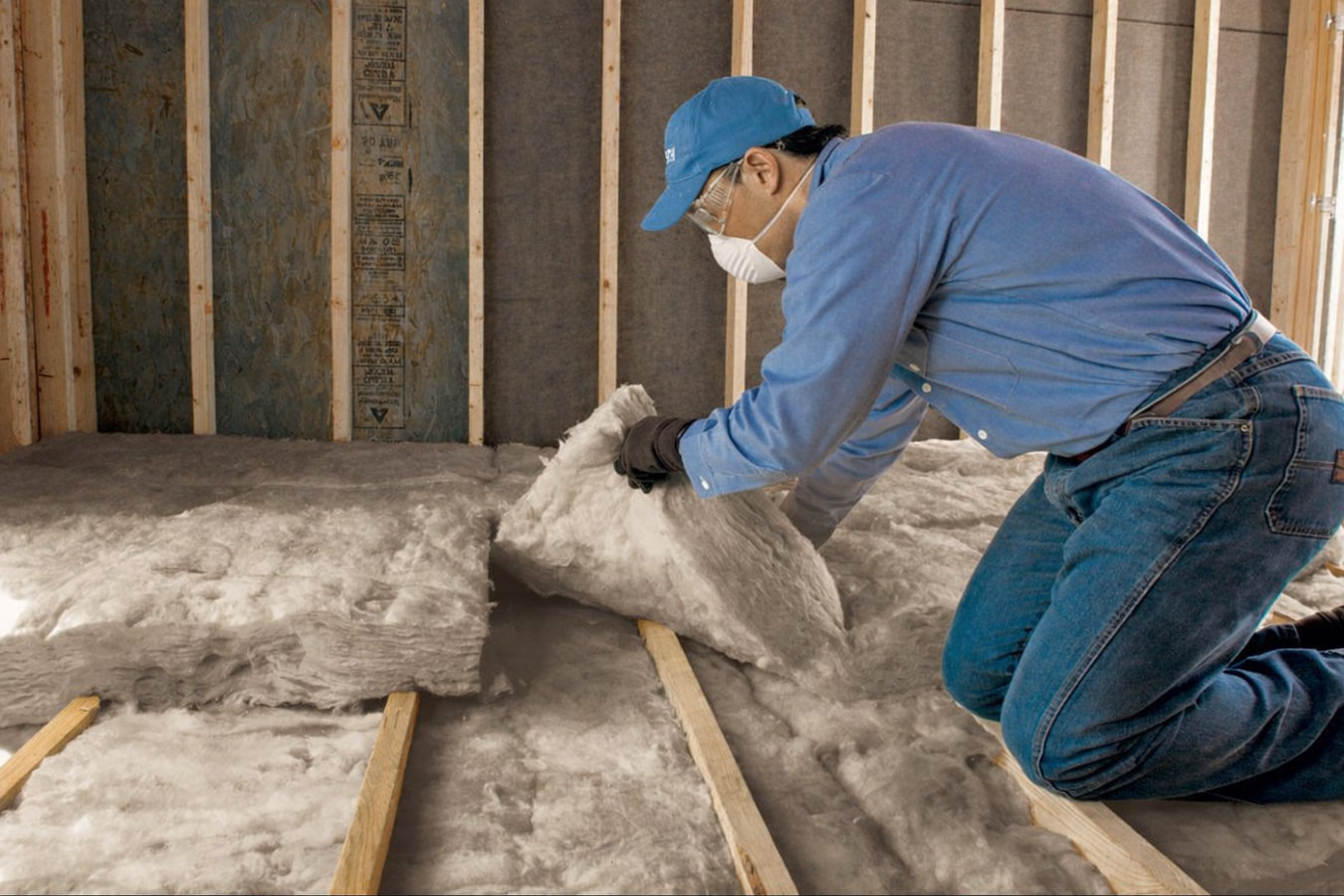
We handle complete removal of attic insulation, crawl space insulation, and wall cavity material across all construction types. Whether you have blown-in cellulose, fiberglass batts, or older material of uncertain origin, we vacuum or hand-remove it, bag it, and haul it away - disposal is included in the quote, not an afterthought. If you also need retrofit insulation after removal, we coordinate both phases in a single project so you do not have to manage two separate contractors.
For homes in Tallahassee's older neighborhoods, we inspect for materials that may need special handling before any removal begins. If we find something that requires a different approach, we tell you before we start - not after.
Best for homes where blown-in or batt insulation has degraded, been contaminated, or never meets today's R-value targets.
For homes where moisture, pests, or age have left floor insulation unable to do its job.
Full-scope projects where removal, any air sealing needed, and fresh insulation are handled as one job.
Tallahassee's humid subtropical climate pushes relative humidity above 80 percent for much of the year, with a rainy season that runs June through September. That persistent moisture works its way into attic spaces and causes insulation to absorb water, compress, and in some cases grow mold - faster than it would in a drier climate. The city's older housing stock, with many homes built in the 1960s through 1980s in neighborhoods like Betton Hills, Midtown, and Levy Park, means a significant share of what we find up there has never been replaced.
Florida's year-round pest pressure adds another layer. Squirrels, rats, and raccoons do not slow down in winter here the way they do further north. Pest-contaminated attics are one of the most common removal situations we handle across the region - and the problem is not limited to Tallahassee proper. We regularly serve homeowners in Thomasville, GA, Valdosta, GA, and Gainesville, FL facing the same combination of heat, humidity, and pest activity.
Florida building code requires permits for the re-insulation phase that typically follows removal. We handle the permit process through the City of Tallahassee Building Department or Leon County, depending on your address - you do not need to make a single call to the building department yourself.
We respond within 1 business day. We ask a few questions about your home's age, size, and what prompted the call - this helps us come prepared rather than discovering surprises on arrival.
We come to the property and inspect the space directly. We check insulation type, condition, contamination level, and whether older materials need testing before work starts. You receive a written estimate before anything is scheduled.
Our crew sets up a truck-mounted vacuum outside and runs the hose to the attic. Loose-fill gets vacuumed out; batts get hand-removed and bagged. A standard attic takes most of one workday. We protect your floors and walls along the hose path.
All material is hauled off-site - disposal is included. We do a final pass to confirm the space is completely clear, then walk you through what we found and what comes next, whether that is re-insulation, air sealing, or both.
We respond within 1 business day. There is no obligation after the estimate. After you submit, someone from our office will call to schedule a free on-site inspection at a time that works for you.
(850) 518-3745We pull permits through the City of Tallahassee or Leon County for every project that requires one. If work gets inspected, it passes - and if you ever sell your home, you have clean records.
We have removed insulation in attics and crawl spaces across Tallahassee and surrounding counties. We know the housing stock here - the older neighborhoods, the common pest problems, and the moisture conditions that make every job different.
Old insulation cannot go in a curbside bin. We bag it, load it, and haul it to an approved facility - and that cost is in your written quote, not added at the end. You will not receive a surprise invoice for disposal.
We do not quote over the phone because attic conditions vary too much to price accurately without looking. Every project starts with a free in-person inspection, and you get a written estimate you can compare before deciding. The U.S. Department of Energy publishes guidance on proper insulation practices at energy.gov.
Every removal job we complete is a fresh start for your home's thermal envelope. We take the work seriously because the performance of whatever goes in next depends entirely on what we leave behind, which is a clean, clear, dry space.
After removal, protect your crawl space with new insulation and a moisture barrier built for Tallahassee conditions.
Learn moreUpgrade your home's thermal performance after removal with retrofit insulation matched to your home's construction type.
Learn moreDegraded or contaminated insulation gets worse every season it stays up there. Call now and we will get someone out to your home within 1 business day.