
Loading
Your walls are the largest surface your AC fights every summer. Properly insulated walls keep the heat outside and the cool air in, so your system runs less and your bills stop climbing every June.
Wall insulation in Tallahassee slows heat transfer through exterior walls so your air conditioner maintains temperature with less effort - most blown-in wall jobs on existing homes are completed in one to two days without removing drywall.
In a city where summer temperatures sit in the low 90s from June through September and humidity stays high for months at a time, your walls are working against you if they are bare or under-filled. Many Tallahassee homes built before 1990 were constructed with little or no wall insulation. The U.S. Department of Energy places Tallahassee in a climate zone that calls for higher-performing insulation than most of the continental U.S. requires, because the heat load is intense and nearly year-round.
Wall insulation works best when it is paired with air sealing. Insulation slows heat transfer, but gaps and cracks let air bypass it entirely. If you are also noticing high bills or rooms that never cool down, pairing wall insulation with air sealing services in the same project delivers the most noticeable results.
If your cooling costs climb dramatically from May through September and your AC seems to run almost constantly, your walls may be letting heat pour in. Tallahassee summers are long and intense, and an under-insulated wall forces your system to work far harder than it should for months on end.
Rooms with walls that face west or south, and that have little insulation, absorb heat all day and release it into your living space. If one bedroom or home office always feels warmer than the rest of the house with the AC running, the wall insulation in that area is worth investigating.
Many Tallahassee homes built in the 1960s through 1980s were constructed with minimal or no wall insulation. If you have lived in your home for years and never had an energy audit, there is a reasonable chance your walls are bare or nearly so. This is especially common near FSU, FAMU, and in the Midtown area.
Tallahassee's high humidity means moisture problems in walls can develop quietly over time. If you notice a musty smell near an exterior wall, see paint bubbling or peeling, or feel a soft spot in drywall, moisture may have gotten into an under-insulated or improperly insulated wall cavity. The longer this is ignored, the more expensive it becomes to fix.
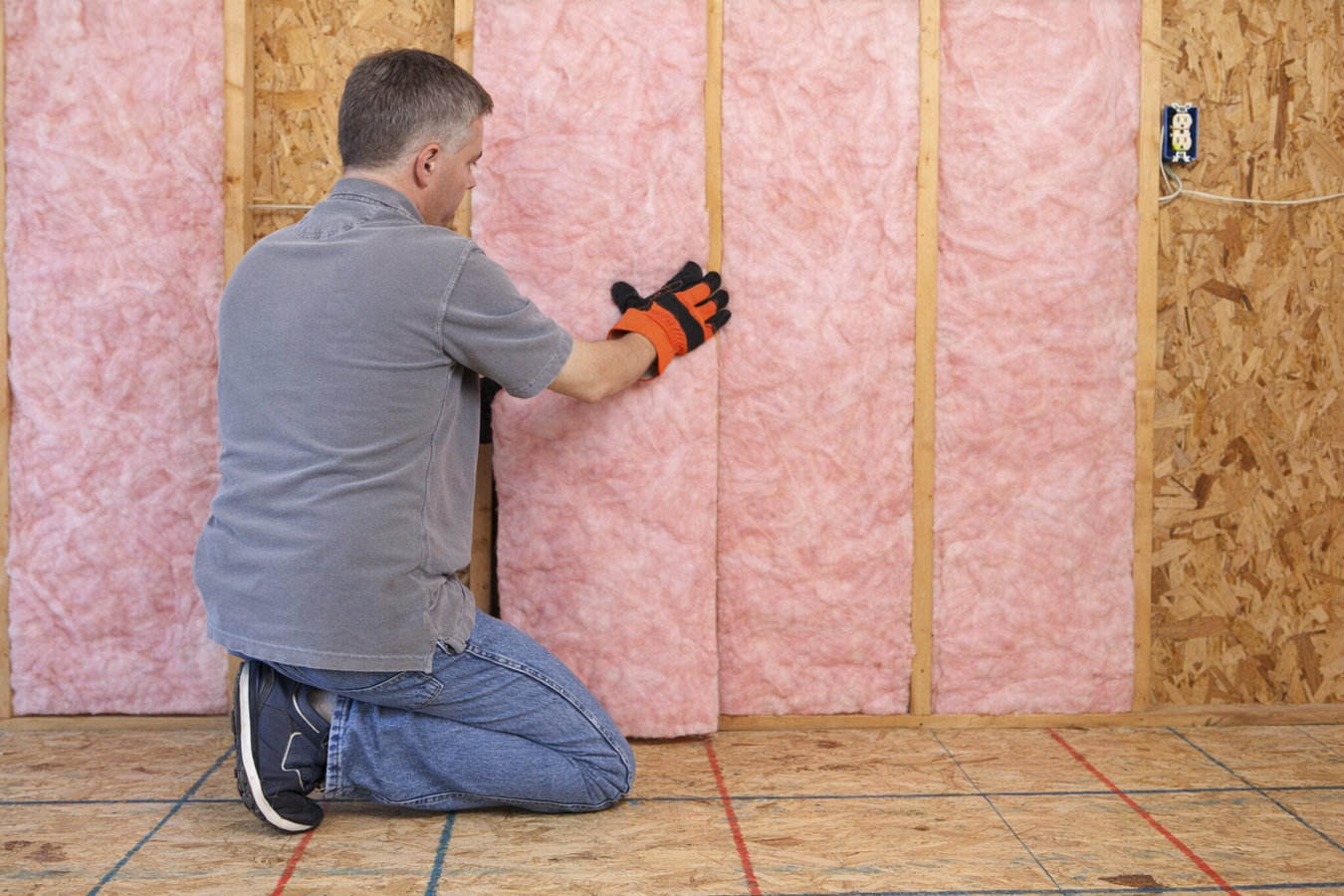
We insulate exterior walls in existing homes throughout the Tallahassee metro using blown-in insulation - the method that fills wall cavities completely without requiring drywall removal. The crew drills small access holes, fills every cavity, and patches the holes clean. For homes undergoing renovation or new construction, we also install batt insulation between exposed wall studs.
Many wall insulation jobs benefit from combining insulation with air sealing services done in the same visit. Sealing around outlets, pipes, and wall-to-ceiling joints before insulation goes in makes a measurable difference in comfort and bills. For homes with brick veneer or unique construction, we assess the walls in person before recommending an approach. We also offer blown-in insulation as a standalone service for attics and open cavities.
Every job starts with a free on-site assessment. We check what is currently in your walls, look for moisture or air-sealing issues, and give you a written quote with no hidden costs before any work begins.
Best for existing homes where drywall removal is not practical. Fills every cavity through small drilled holes.
Best for new construction or open-wall renovations where studs are already exposed.
Best for older homes where gaps around outlets, pipes, and framing are letting air bypass the insulation entirely.
Best for homeowners who want to confirm where heat is entering before committing to a scope of work.
Tallahassee grew rapidly in the 1960s through 1980s, and many homes from that era were built with little or no wall insulation. Building standards at the time simply did not require it. Neighborhoods near downtown, Midtown, and the university district - where both FSU and FAMU draw a large population - have a high concentration of these older homes. When you combine thin or missing insulation with Tallahassee's long cooling season, the result is a home that costs more to keep comfortable than it should.
Tallahassee's high humidity adds a layer of complexity that contractors from drier climates often overlook. Insulation installed without moisture management in mind can trap dampness inside wall cavities, leading to mold and wood rot over time. The Insulation Contractors Association of America recommends that contractors working in humid climates address vapor management as part of the installation, not as an afterthought.
We serve homeowners throughout the Tallahassee area, including customers in Thomasville, GA, Panama City, FL, and Gainesville, FL. Florida's building code applies to insulation work that affects the building envelope, and we handle the permit process for every project that requires one.
We ask a few questions about your home's age, size, and what is prompting the call. We respond to all inquiries within one business day and schedule a free in-home visit before giving you any numbers.
We walk through your home, check accessible wall cavities, and may use a thermal imaging camera to see where heat is moving through your walls. This visit is free and takes 30 to 60 minutes.
You receive a written estimate that specifies which walls are being insulated, what method will be used, and the total cost. We confirm whether a permit is required and handle the application on your behalf.
The crew fills every wall cavity, patches and seals all access holes, and walks you through the finished work before leaving. We clean up completely. If a permit was pulled, we coordinate the inspection.
Free on-site estimate. Written quote before any work begins. We respond within one business day.
(850) 518-3745Every project is handled by an experienced local crew, with a written scope you have in hand before work begins, not after.
We respond to all inquiries within one business day and schedule free in-home estimates before quoting any price. Wall insulation cannot be quoted accurately by phone.
We work in the Tallahassee metro and surrounding region. We know how Leon County's clay soil, tree canopy shade, and summer humidity affect how walls perform and what they need.
We use density checks and, where needed, thermal imaging to confirm every wall cavity was filled completely. You do not have to take our word for it.
We are based in Tallahassee and work exclusively in this region. That means we know the homes here, the climate, and the permit process. Every wall insulation job we complete is one we stand behind - if something is not right, we come back and make it right.
Air sealing closes the gaps and cracks that let conditioned air escape and humid outdoor air sneak in, making your insulation work as designed.
Learn moreBlown-in insulation is the go-to method for filling existing wall cavities without opening up your drywall.
Learn moreEvery month you wait is another month of high cooling bills. Call us today or submit a free estimate request and we will be in touch within one business day.