Loading
Tallahassee Insulation serves Leon County homeowners with spray foam, attic, blown-in, and crawl space insulation - all installed by an experienced local contractor who responds within one business day and provides free on-site estimates before any work begins.
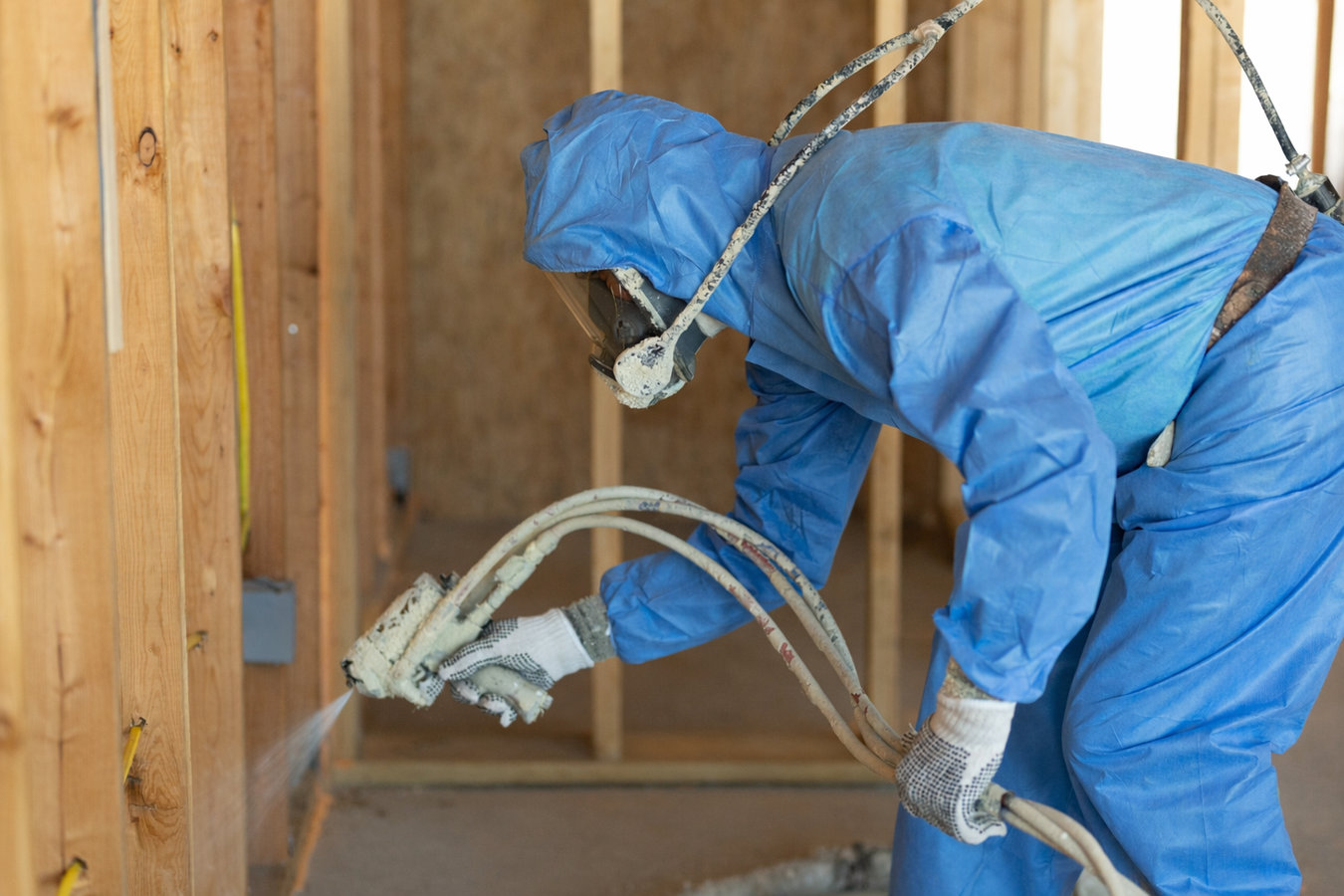
Tallahassee homes built before the 1990s were rarely constructed with any real air barrier. Spray foam addresses that directly: it seals every gap and crack at the same time it insulates, which is why it is the most effective upgrade for homes in older neighborhoods like Betton Hills, Midtown, and the FSU area. For crawl spaces and exterior walls in particular, spray foam insulation outperforms every other product in this humid climate because it also acts as a moisture barrier.
Tallahassee attics can reach temperatures above 140 degrees on a summer afternoon, pushing heat through the ceiling into the living space below. Most homes in Leon County were built when insulation standards were far lower than they are today. Upgrading to adequate attic insulation depth is the single most impactful change most homeowners can make to reduce cooling costs through Tallahassee's long, hot summers.
Blown-in is the most common attic upgrade in Tallahassee because it fills irregular spaces around existing framing, wiring, and ductwork without requiring any demolition. It is especially practical for the ranch-style homes and brick bungalows common throughout older Leon County neighborhoods, where wood-frame attics have been accumulating settled, degraded original insulation for decades.
Tallahassee's red clay soil holds moisture long after rain, and crawl spaces beneath homes in low-lying areas of Leon County are prone to persistent dampness. Proper crawl space insulation and encapsulation stops that moisture cycle from reaching the living space above, preventing the musty odors and wood damage that deferred crawl space maintenance eventually produces.
Adding insulation over unsealed gaps is like putting a blanket over an open window. In Tallahassee's hot, humid climate, air sealing around attic penetrations, HVAC boots, and recessed lights before insulation work begins makes every dollar of insulation material far more effective. We include air sealing assessment in every estimate.
Older Tallahassee homes sometimes have attic insulation that has been compressed by foot traffic, soaked by roof leaks, or contaminated by pest activity. Installing new material over damaged insulation traps existing problems. We safely remove old insulation, address any moisture or pest issues found during removal, and prepare the space for fresh installation.
Tallahassee sits in a humid subtropical climate zone - not the dry heat of the Southwest, and not the cold winters of the Midwest. The challenge here is a combination of high heat, persistent humidity, and a cooling season that runs from roughly April through October. An air conditioner that runs constantly during those months is often compensating for an insulation system that was never adequate for this climate, or one that degraded over the decades since the home was built.
A significant portion of Tallahassee's single-family housing stock was built between the 1950s and the 1980s, before Florida adopted the energy efficiency standards that apply today. Homes in neighborhoods like Killearn Estates, Levy Park, and Myers Park were constructed with insulation levels that made sense then but fall well short of what the Department of Energy recommends for this climate zone now. Many of those homes have never had an insulation upgrade.
The city's red clay soil also sets Tallahassee apart from most of Florida. Clay expands when wet and shrinks when dry, putting stress on foundations and making crawl space moisture a chronic issue rather than an occasional one. The dense tree canopy that makes Tallahassee beautiful means roofs and crawl spaces stay damp longer after rain, compounding that moisture challenge. A contractor who works in this area knows that the right insulation strategy here is different from what works in Tampa or Orlando.
We have been working on homes in Tallahassee and Leon County since 2022, pulling permits through the City of Tallahassee Development Services on jobs that require them. We are familiar with the mix of property types across the city: the older wood-frame and brick ranch homes common near FSU and FAMU, the mid-century concrete block homes throughout midtown, and the newer stucco subdivisions that have spread into Southwood and unincorporated Leon County.
Tallahassee is Florida's state capital, and a large share of residents are long-term homeowners who have been in the area for years and want work done right, not just patched up. The city's large university population - Florida State University and Florida A&M University together enroll more than 60,000 students - also means a significant rental housing market near campus, where deferred maintenance is common and older homes often need catch-up work. Whether you are in a midtown neighborhood near Cascades Park or in a Southwood subdivision, we know what to expect before we arrive.
We also serve homeowners in nearby communities. If you are in Thomasville, GA, just north of the Florida line, or in Valdosta, GA, farther into south Georgia, we make regular service runs to both areas.
We respond within one business day. You will speak with someone who asks basic questions about your home - age, square footage, and what issues you have noticed - so we arrive at the estimate prepared.
A technician visits your home and inspects the attic, crawl space, or walls depending on your project. We measure what is already there, check for moisture or pest issues, and explain our recommendation in plain language. No cost, no obligation.
You receive a written, itemized quote before anything is scheduled. If a permit is required, we handle the application with City of Tallahassee Development Services or Leon County before work begins.
The crew arrives on the scheduled day and completes the work. Before we leave, we walk you through what was installed, confirm depths or coverage, and answer any questions. You have a record of the work before the truck pulls out.
We serve homeowners throughout Tallahassee and Leon County. No phone quotes - we assess in person first. Response within one business day.
(850) 518-3745Tallahassee is Florida's state capital and home to about 196,000 residents within city limits, with the broader Leon County metro reaching well beyond that. The city is defined by its hilly terrain and dense live oak canopy - a landscape that looks more like south Georgia than most of Florida. Tallahassee sits in the Red Hills region, where the red clay soil and rolling topography set it apart from the flat, sandy terrain found across most of the state. The Florida State Capitol building is visible from much of downtown, and the presence of both Florida State University and Florida A&M University shapes the city's economy, demographics, and housing market.
Neighborhoods range from historic areas like Myers Park and Levy Park near midtown, where homes dating from the 1940s through 1960s sit under mature oak canopy, to newer subdivisions like Southwood and Killearn Estates that spread into the suburbs of Leon County. The city's housing stock is heavily weighted toward that mid-century era - a large share of Tallahassee's single-family homes were built between 1950 and 1990, putting them in the 35-to-70-year range where insulation, HVAC, and roofing systems are all past the point where a careful review makes sense. Homeowners in this city tend to stay put for years, which means they invest in maintenance and improvements rather than just selling and moving on.
We serve the full Tallahassee metro and the communities that surround it. Neighbors in Thomasville, GA to the north are a regular part of our service area, as are homeowners in Dothan, AL to the northwest. If you are in Tallahassee or Leon County, reach out for a free in-home estimate.
Every job is handled by a crew that works in this area year-round. You receive documentation before work begins, not after.
We have worked on homes throughout Leon County - from older midtown bungalows to newer Southwood subdivisions. We know how local soil, canopy shade, and humidity affect insulation performance.
We respond to every inquiry within one business day and schedule free in-home estimates. We do not quote spray foam or crawl space work over the phone because we walk the space first.
When a permit is required for your project, we handle the application with the City of Tallahassee Development Services. Your job gets inspected and the record stays with your home.
Tallahassee homeowners deal with a specific combination of heat, humidity, clay soil, and older housing stock that requires a contractor who actually works in this market. We are based here, work here year-round, and know the permit process at City of Tallahassee Development Services. Every estimate is free, every quote is written, and every job is backed by crews who know this market.
High-performance spray foam that air-seals and insulates in one application.
Learn moreLightweight, flexible foam ideal for interior walls and ceilings.
Learn moreHeavy-duty plastic sheeting to block ground moisture in crawl spaces.
Learn moreProfessional vapor barrier installation for walls, floors, and crawl spaces.
Learn moreScalable insulation services for offices, warehouses, and retail buildings.
Learn moreServing these cities and communities.
Call now or submit a request online. We reply within one business day and can usually schedule a free estimate the same week.