
Loading
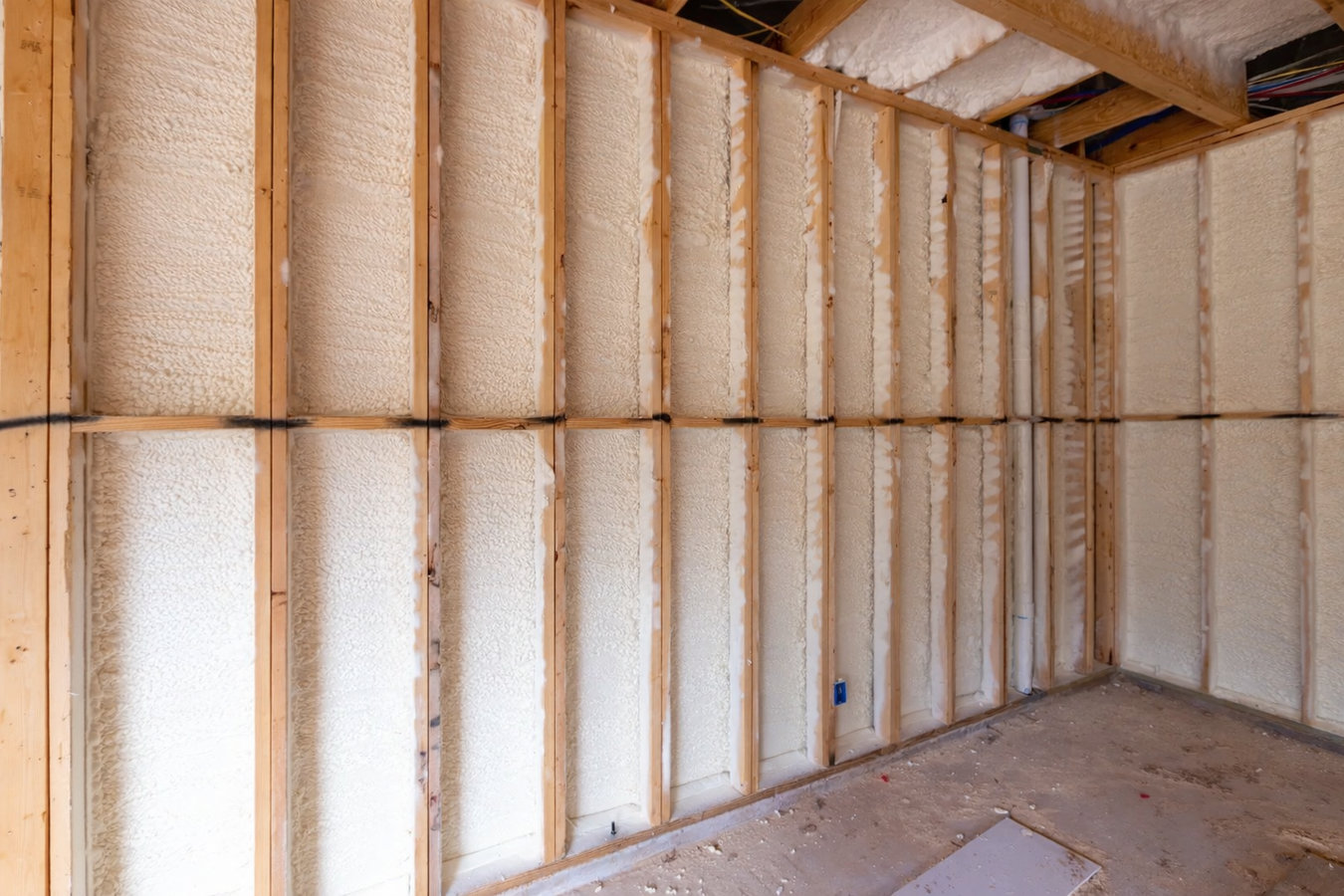
Most Tallahassee homes sit over a crawl space where summer heat and ground moisture push straight up through your floors. Proper insulation below the living area cuts your cooling costs and protects your home from moisture damage.
Basement insulation in Tallahassee almost always means crawl space insulation - most homes here sit on a slab or over a crawl space rather than a full below-grade basement, and the work involves insulating the floor joists or crawl space walls to block heat and ground moisture from rising into the living area. Most jobs are completed in one day for a typical single-family home.
Tallahassee's clay soil holds moisture for days after rain, and the city's long hot summers mean the ground beneath your home can become a steady source of heat and humidity pushing up into your floors. If your home was built in the 1960s through 1980s, the original insulation under your floors - if it was ever installed at all - has likely degraded to the point where it is doing little to help.
A quality crawl space job addresses both heat and moisture together. We pair insulation with crawl space insulation methods that include vapor barriers and air sealing, because treating one without the other leaves your home half protected in Tallahassee's climate.
In Tallahassee's long summer season, a crawl space without proper insulation acts like a heat and moisture pump pushing up through your floors. If your hardwood or laminate floors feel warm, slightly soft, or warped in places, the space underneath is not properly sealed. This is especially common in older Tallahassee homes where the original insulation has absorbed moisture over decades.
A poorly insulated crawl space forces your AC to work much harder than it should because heat and humidity from the ground are rising into the conditioned space it is trying to cool. If your cooling costs have crept up year over year without a clear explanation, the insulation under your home is one of the first places worth checking.
A musty smell that seems to come from floor level, especially in rooms over a crawl space, often signals that moisture is sitting against wood, insulation, or both. In Tallahassee's humid climate, crawl spaces without a vapor barrier and proper insulation are common starting points for mold and mildew. If the smell is strongest after rain, ground moisture is likely the culprit.
If you or a contractor has looked into your crawl space and seen insulation that is drooping, discolored, or falling away from the floor joists, that material has absorbed moisture and is no longer doing its job. Wet insulation also holds moisture against your home's wood structure, accelerating rot. That old material needs to come out before anything new goes in.
We insulate crawl spaces throughout the Tallahassee metro using both spray foam and fiberglass batt methods. Spray foam is our go-to recommendation for most Tallahassee crawl spaces because it seals air leaks and blocks moisture in a single application - two problems that fiberglass alone cannot solve. Fiberglass batts work well in spaces with consistent joist framing and lower moisture exposure.
Every crawl space job we do starts with an inspection of what is already in place. If old insulation is wet, moldy, or falling down, we remove it before installing new material. Putting new insulation over compromised material is one of the most common shortcuts in the trade - it traps the damage and guarantees the new work will fail just as quickly.
We also install closed-cell foam insulation for crawl space walls and rim joists where maximum moisture resistance is needed, and we pair every job with vapor barrier installation and air sealing. Homeowners who upgrade crawl space insulation may also qualify for federal energy efficiency tax credits - ask us about what documentation you will need before the job starts.
Best for Tallahassee homes with moisture concerns, air leaks around pipes and wires, or spaces where batt insulation has previously failed.
A cost-effective option for crawl spaces with consistent framing and lower moisture exposure, installed between floor joists.
For homes where existing material is wet, moldy, or compressed beyond usefulness, full removal before reinstallation is the right call.
A thick ground cover that blocks soil moisture from rising into the insulation and wood structure above, essential in Tallahassee's climate.
Tallahassee sits in a humid subtropical climate where average summer humidity regularly exceeds 80 percent and the air conditioning runs from spring through fall. The red clay soil that makes Tallahassee's landscape distinctive also holds water long after a rainstorm, keeping the ground beneath crawl spaces damp for days at a time. That moisture does not stay in the ground - without a barrier, it rises through the soil, into the insulation, and against the wood structure of your home.
A large share of Tallahassee's housing stock, including homes throughout Midtown, Frenchtown, and the neighborhoods surrounding Florida State University and FAMU, was built between the 1950s and 1980s under insulation standards that are far below what is recommended today. Many of these homes have never had their crawl space insulation assessed or replaced. The U.S. Department of Energy recommends higher R-values for North Florida's climate zone than what most of these homes were built with, and the gap has grown wider as that original insulation has degraded.
We serve the full Tallahassee metro and the surrounding region. Homeowners in Thomasville, GA, Valdosta, GA, and Panama City, FL face similar crawl space challenges, and we handle permit requirements through Leon County and surrounding jurisdictions for every project that requires one.
We ask a few basic questions about your home, whether it has a crawl space or slab, and what you have been noticing. We respond within one business day and schedule a free estimate at a time that works for you.
We enter the crawl space directly, inspect what is already there, check for moisture or mold, and measure the space. You get a written quote breaking down materials, scope, and total cost before any work begins.
If your project requires a permit through Leon County, we handle the application before the job starts. This protects you and ensures the completed work is properly documented for future sales or insurance purposes.
Most single-family crawl space jobs are completed in one day. Before we leave, we walk you through what was done, show photos of the finished work if you want them, and provide any paperwork needed for a tax credit or utility rebate application.
Free on-site estimate. We enter the crawl space, inspect what is there, and give you a written quote with no obligation. Leon County permits handled for you.
(850) 518-3745All basement and crawl space insulation work is performed by experienced local crews. You receive documentation before work begins so there are no surprises.
We respond within one business day and schedule in-home estimates at no charge. The estimator enters your crawl space directly, not just the access hatch.
Every crawl space job includes attention to moisture control and air sealing. Addressing insulation without those steps is the most common shortcut in the trade, and we do not take it.
We focus on Leon County and the surrounding region, and we understand the specific challenges that Tallahassee's humidity and older housing stock create for crawl space performance.
We focus our work on the Tallahassee area because we understand what this climate does to homes over time. The combination of free written quotes, local knowledge, and proper permit handling means you get work you can document, stand behind, and rely on for years.
Closed-cell foam bonds directly to crawl space walls and rim joists, sealing air and moisture in a single application for the most demanding conditions.
Learn moreDedicated crawl space insulation services covering floor joists, perimeter walls, and the foundation framing that keeps ground heat out of your home.
Learn moreTallahassee's cooling season is long. Every month your crawl space stays uninsulated is another month of paying to cool air that escapes before you can use it.