
Loading
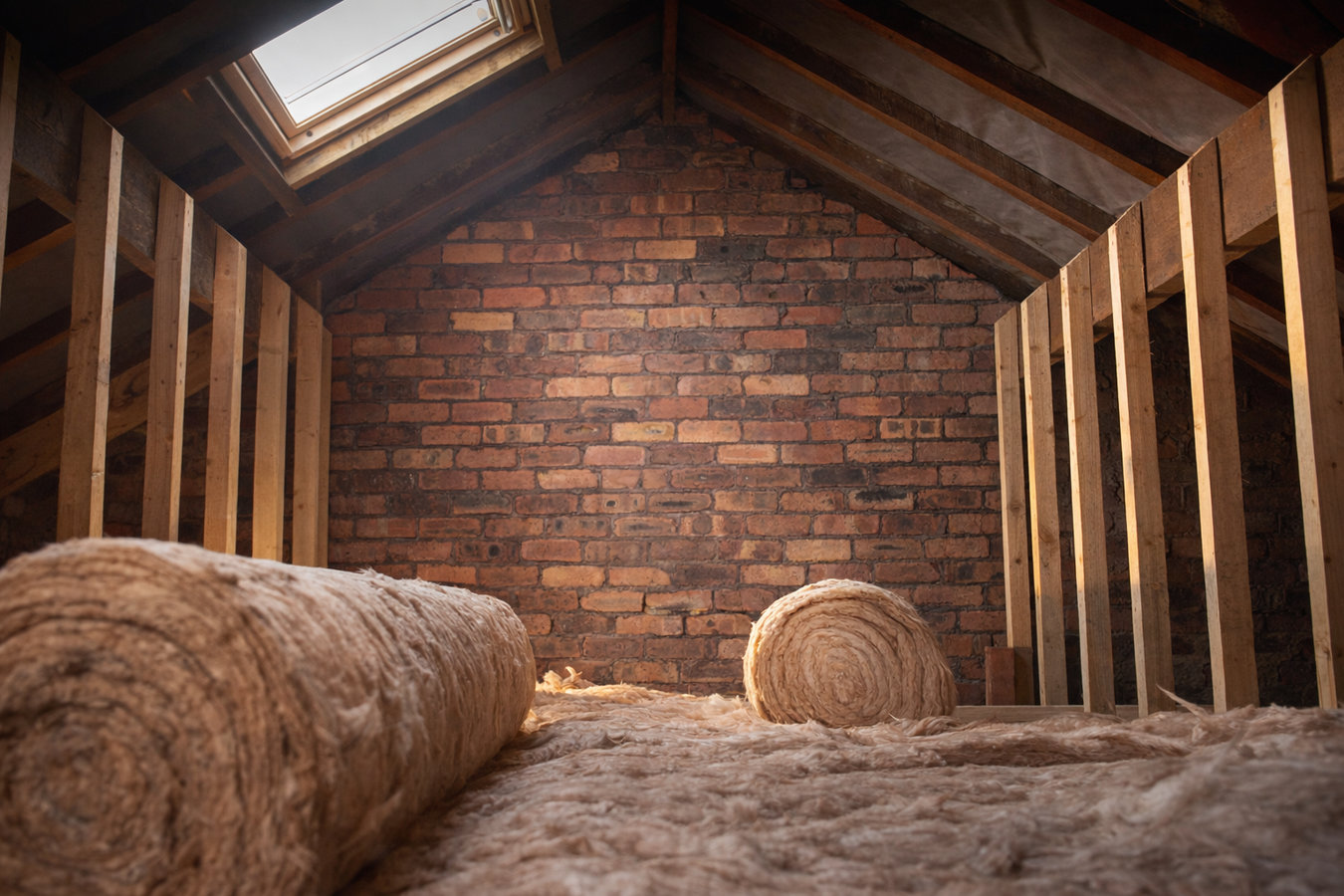
Most Tallahassee homes were built when insulation standards were far lower than they are today. A whole-home insulation upgrade means steadier temperatures in every room and an air conditioner that does not have to fight all day to keep up.
Home insulation in Tallahassee addresses heat, humidity, and air infiltration across every part of your house, not just the attic - most assessments take 30 to 60 minutes and most installation projects are complete in one to two days without requiring you to leave your home.
Tallahassee's long cooling season means your home's insulation is working against summer heat for most of the year. Many homes in neighborhoods like Betton Hills, Killearn Estates, and Midtown were built between the 1960s and 1990s under insulation standards that made sense then but fall well short of what is available today. If your home was built before 1995 and has never had an insulation upgrade, there is a reasonable chance you are paying more to cool it than you need to.
Insulation works best alongside air sealing. Hot, humid outside air that pours through gaps in light fixtures, plumbing penetrations, and attic hatches can undercut even well-installed insulation. Our insulation removal service handles situations where old, degraded material needs to come out before anything new goes in.
If your electric bill climbs sharply when Tallahassee's summer heat sets in and stays high through October, your home is likely losing the battle against heat coming through the attic or walls. A well-insulated home holds its temperature more steadily, so your air conditioner runs in shorter, more efficient cycles rather than almost constantly. This is one of the clearest signs that your insulation is not performing.
In older Tallahassee ranch-style and single-story homes, bedrooms at the back of the house or rooms with a large ceiling area are often the first to feel uncomfortable. If you notice a significant temperature difference between rooms, or if the second floor of a two-story home feels like a different climate, inadequate attic insulation is almost always a contributing factor.
If you peek into your attic and can see the wooden framing through the insulation, or if the material looks compressed and matted rather than fluffy and thick, it is almost certainly underperforming. Insulation that has settled over decades in a humid environment loses a significant portion of its effectiveness, even if it looks like it is still there.
Tallahassee's summer humidity is relentless, and a home with air leaks and poor insulation will feel sticky and damp even with the AC on. Warm, humid outside air infiltrates constantly through gaps and poorly sealed areas. If your home never quite feels dry and comfortable during July and August, insulation and air sealing together are likely the fix.
Every home is different, so we start with a thorough on-site assessment before recommending anything. We look at the attic first because it is the most important place to insulate in a Florida home - heat builds up there like an oven and pushes down into your living space all day. For most Tallahassee homes, adding or upgrading attic insulation is the single most cost-effective improvement you can make to lower cooling bills. Our retrofit insulation service is designed specifically for existing homes where the goal is upgrading performance without disrupting walls, floors, or finished ceilings.
For homes with more significant needs, we also address walls and crawl spaces. Wall insulation in an older home typically uses blown-in material installed through small holes drilled from outside, then patched, so you get better performance without tearing out drywall. Crawl spaces in Tallahassee's humid climate are a common source of moisture infiltration, and proper insulation and sealing there makes a real difference in both comfort and air quality.
Some projects also require removing old material before anything new goes in. Our insulation removal service handles degraded, contaminated, or pest-damaged insulation safely before new installation begins.
The highest-impact improvement for most Tallahassee homes - bringing attic coverage up to the depth recommended for this climate zone.
For older homes with little or no insulation in the walls, using blown-in material installed with minimal disruption to interior finishes.
Addresses moisture infiltration and energy loss in homes with a raised floor system, common in older Tallahassee neighborhoods.
A full inspection covering attic, walls, and crawl space to identify where your home is losing the most conditioned air.
Tallahassee sits in a humid subtropical climate zone where summer temperatures regularly exceed 90 degrees and humidity stays high for months. Insulation here has to manage both heat and moisture. If it absorbs or traps humidity, it can lose effectiveness and eventually promote mold growth. Many older homes in neighborhoods near Florida State University and the Capitol area have attic insulation that is either too thin or has settled and compressed over the years, reducing its effectiveness significantly.
The North Florida climate zone is different from South Florida, and homes built before the mid-2000s were often insulated to standards designed for a milder climate. Homes in Killearn Estates, Southwood, and surrounding Leon County suburbs that are now 20 to 30 years old are hitting the point where their first insulation upgrade makes a real financial difference. Duke Energy Florida serves most of the Tallahassee area and has offered rebates for qualifying insulation upgrades, so it is worth checking their current program before you commit to a project.
We provide home insulation services throughout the region, including in Thomasville, GA, Albany, GA, and Panama City, FL. Wherever you are in our service area, a free on-site assessment is the right first step.
We respond within 1 business day. A brief call covers your home size, when it was built, and what is prompting you to reach out. We never quote a price without seeing the home first - any contractor who does is guessing.
An experienced technician visits your home, inspects the attic and any other areas of concern, measures existing insulation depth, checks for air leaks, and looks for any moisture or mold issues. This visit is free and typically takes 30 to 60 minutes.
You receive a written estimate that spells out what material will be used, how much will be installed, and the total cost. We walk you through the estimate and explain our recommendations. This is also a good time to ask about Duke Energy Florida rebates and available federal tax credits.
Most attic jobs take two to four hours. Larger whole-home projects may take a full day. Before leaving, we provide documentation of exactly what was installed, including material type, coverage area, and depth achieved - paperwork you will need for tax credits and future home sales.
We respond within 1 business day. There is no obligation and no price quoted until we see your home in person. After you submit, someone from our team will call to schedule a free on-site assessment at a time that works for you.
(850) 518-3745You get a written scope and price before we schedule a single day of work. The quote spells out the materials, the coverage, and the cost, so you know exactly what you are paying for. No pressure, no guessing, no surprises once the crew arrives.
We have been serving Tallahassee and the surrounding region across three states since we opened. Local crews mean we know the climate, the housing stock, and the permit requirements in your city. No dispatching from out of state, no crews unfamiliar with what North Florida summers actually do to a house.
Many contractors only address the attic. We assess the full home - attic, walls, and crawl space - because that is how you get results you can actually feel. Our written estimate will tell you exactly where the biggest heat loss is happening and what fixing it will actually cost.
We walk every customer through what financial incentives may apply to their project. The federal tax credit covers up to 30% of qualifying insulation costs, up to $1,200 per year. Duke Energy Florida has also offered rebates for qualifying insulation upgrades - we will help you understand what is available so you don't leave money on the table. See the U.S. DOE Insulation Guide at energy.gov for more background on materials and R-values.
Tallahassee homeowners who call us get a free on-site assessment, a written estimate with no phone-guessing, and a crew that documents every job so you can verify the work yourself. If you are ready to stop paying more than you should to cool your home, contact us today.
Safe removal of old, degraded, or contaminated insulation before new material is installed in your attic or crawl space.
Learn moreInsulation upgrades designed for existing homes where the goal is improving performance without disrupting walls or finished surfaces.
Learn moreCall Tallahassee Insulation now for a free home insulation estimate. Summer arrives fast in Tallahassee - schedule before the busy season fills our calendar.